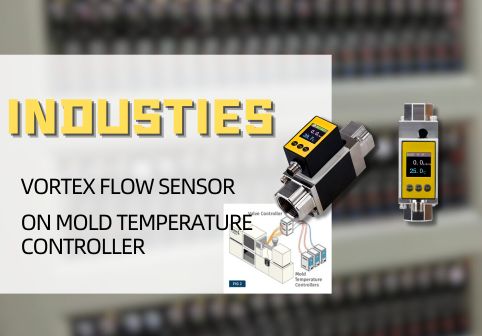
Product Upgrade | Vortex Flow Sensor 2.0 - Three Improvements from "Usable" to "Better Usable"
 2026-04-15
From Product Launch to On-Site Use: Real Upgrades Begin with Customer Feedback
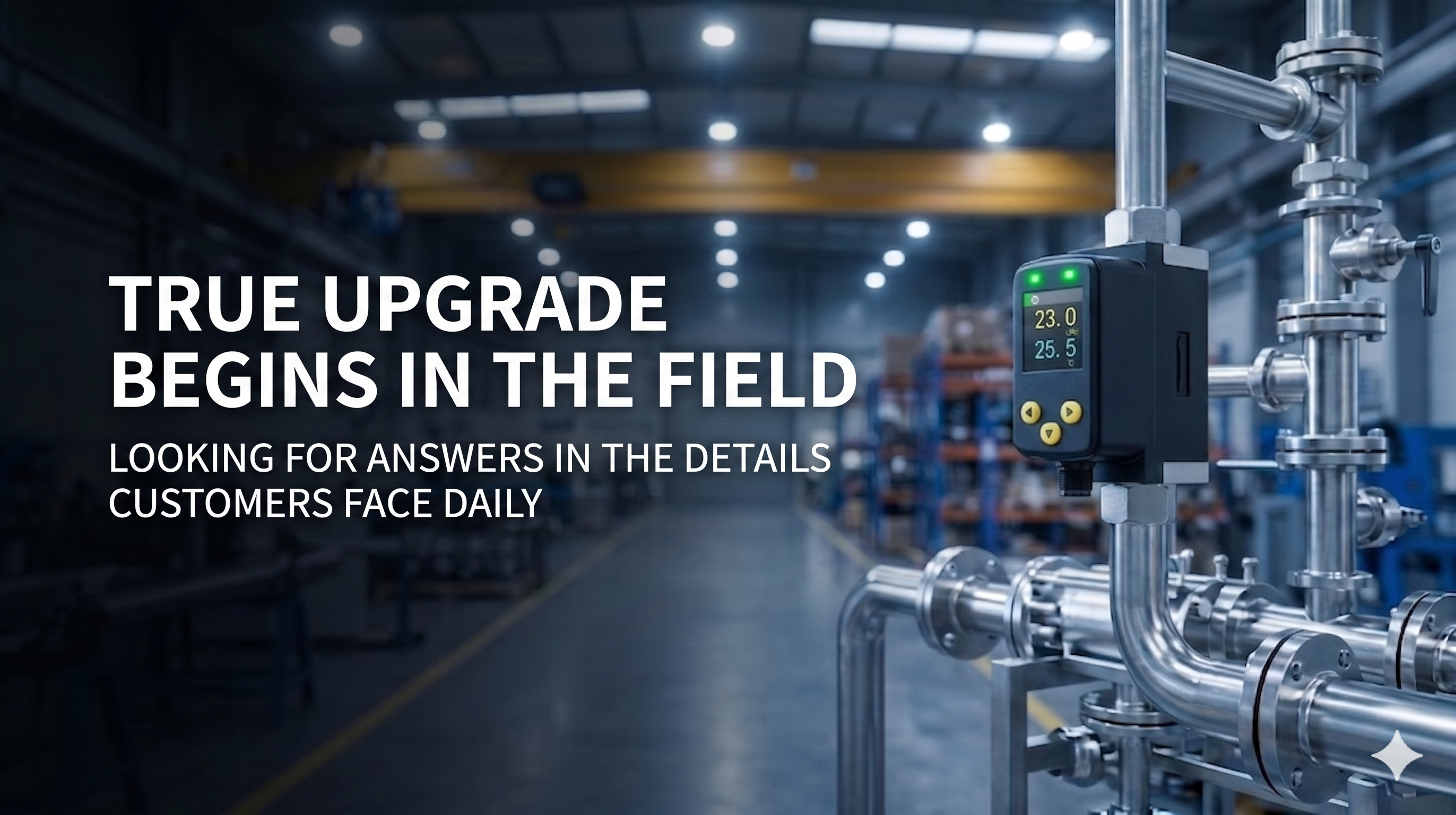
The real upgrade of an industrial product does not begin at the moment it is launched. It begins after the product enters the customer’s site. What truly shapes product iteration is never the wording on a brochure, but the real problems engineers encounter during installation, commissioning, and maintenance — the details they deal with every day.
Our vortex flow sensor was launched in July 2024. Over nearly two years of field application, feedback from front-line customers has gradually become clear. These comments were not abstract ideas or vague suggestions. They were highly specific and very real usability issues.
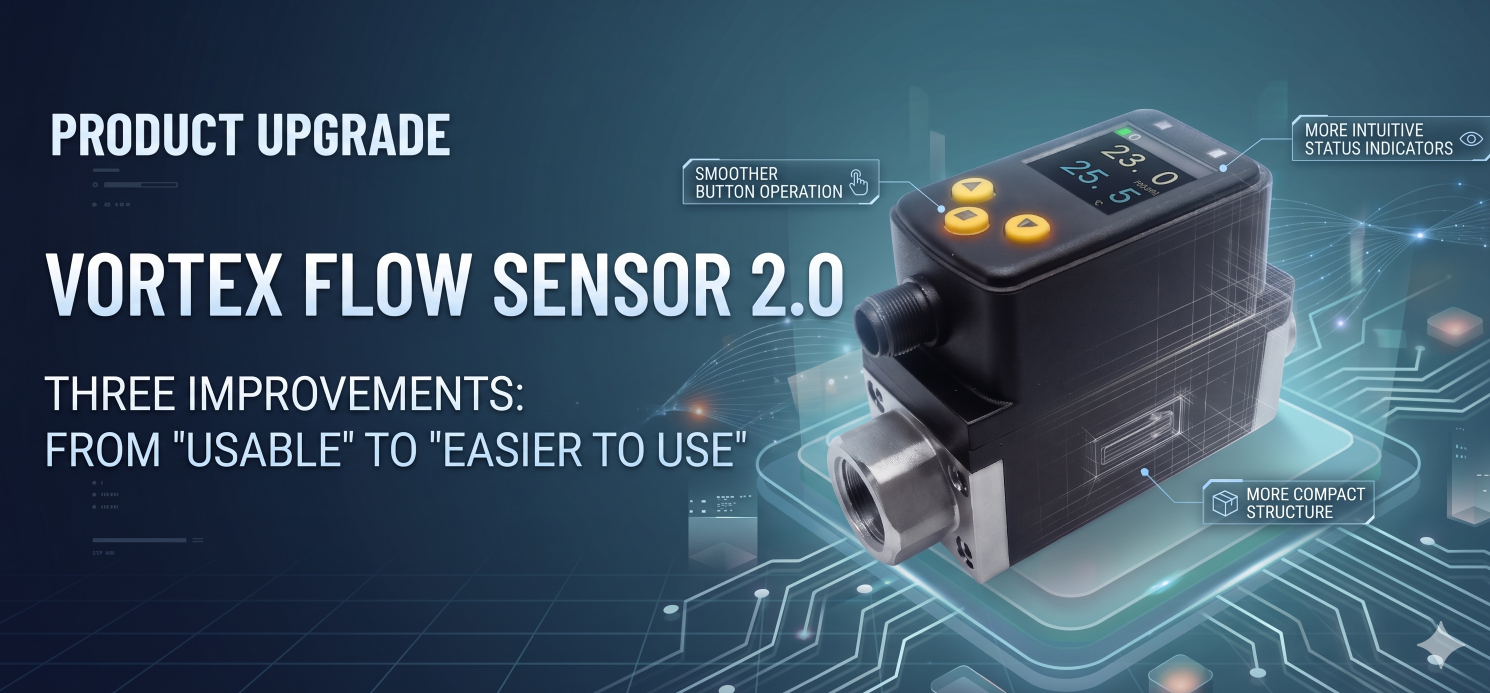
Some customers mentioned that the buttons felt a bit hard to press. Others said the output status was not intuitive enough at a glance on site. Some also hoped for a more compact overall size to make equipment integration easier. It was exactly these small but repeatedly encountered issues that drove this core upgrade — optimization in three key areas: button operation, status indication, and overall structure. Each improvement directly addresses the most practical pain points customers face in the field.
In this upgrade, we did not intentionally pursue “conceptual changes.” Instead, we returned to the product’s real usage process and carefully refined the details that customers truly care about and can genuinely feel in daily use.
The First Improvement: Making Button Operation Easier and Smoother
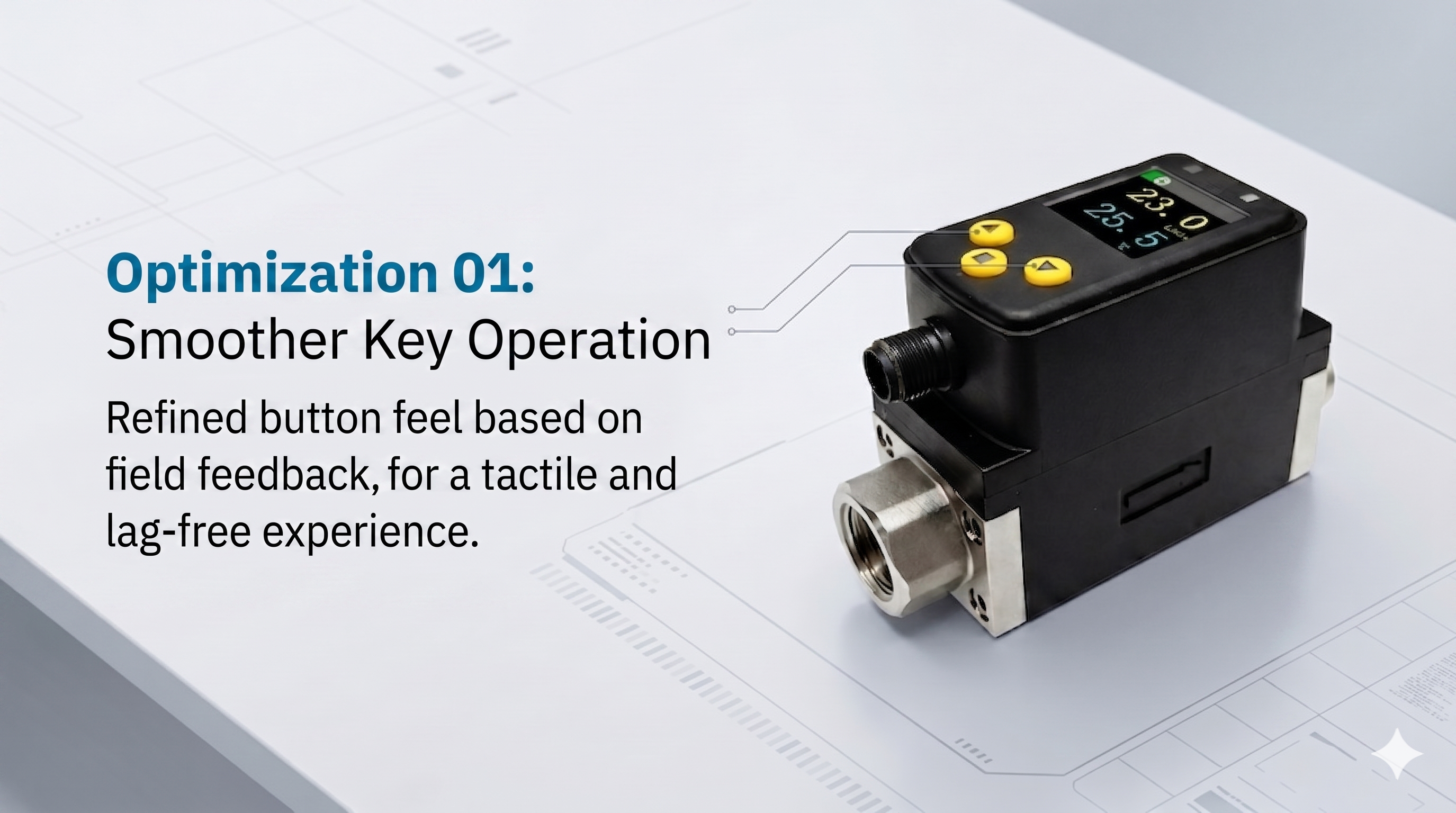
In industrial environments, parameter adjustment is never something that happens only occasionally. After installation, the device needs commissioning. During changeovers, parameters need to be checked again. When operating conditions change, settings may also need to be readjusted. In many cases, engineers are not operating the product in an ideal environment, but rather under tight schedules, distractions, and fast-paced on-site conditions.
That is why button feel is no longer just a matter of user experience — it is a matter of operating efficiency. During the past two years of application, one clear piece of feedback from customers was that the original buttons felt somewhat difficult to press. On its own, this may seem like a minor issue, but in actual commissioning work it becomes magnified again and again. When operation is not smooth enough, the rhythm of commissioning gets interrupted. Every small hesitation accumulates into the user’s overall impression of the product.
For this reason, one of our top priorities in this iteration was to improve button operation. The goal was not simply to create a visible change, but to make every menu entry, every setting switch, and every on-site confirmation feel smoother and more natural. For customers, this improvement may not appear as a change in specifications, but it will be clearly reflected in the day-to-day user experience.
The Second Improvement: Making Output Status Easier to Recognize at a Glance
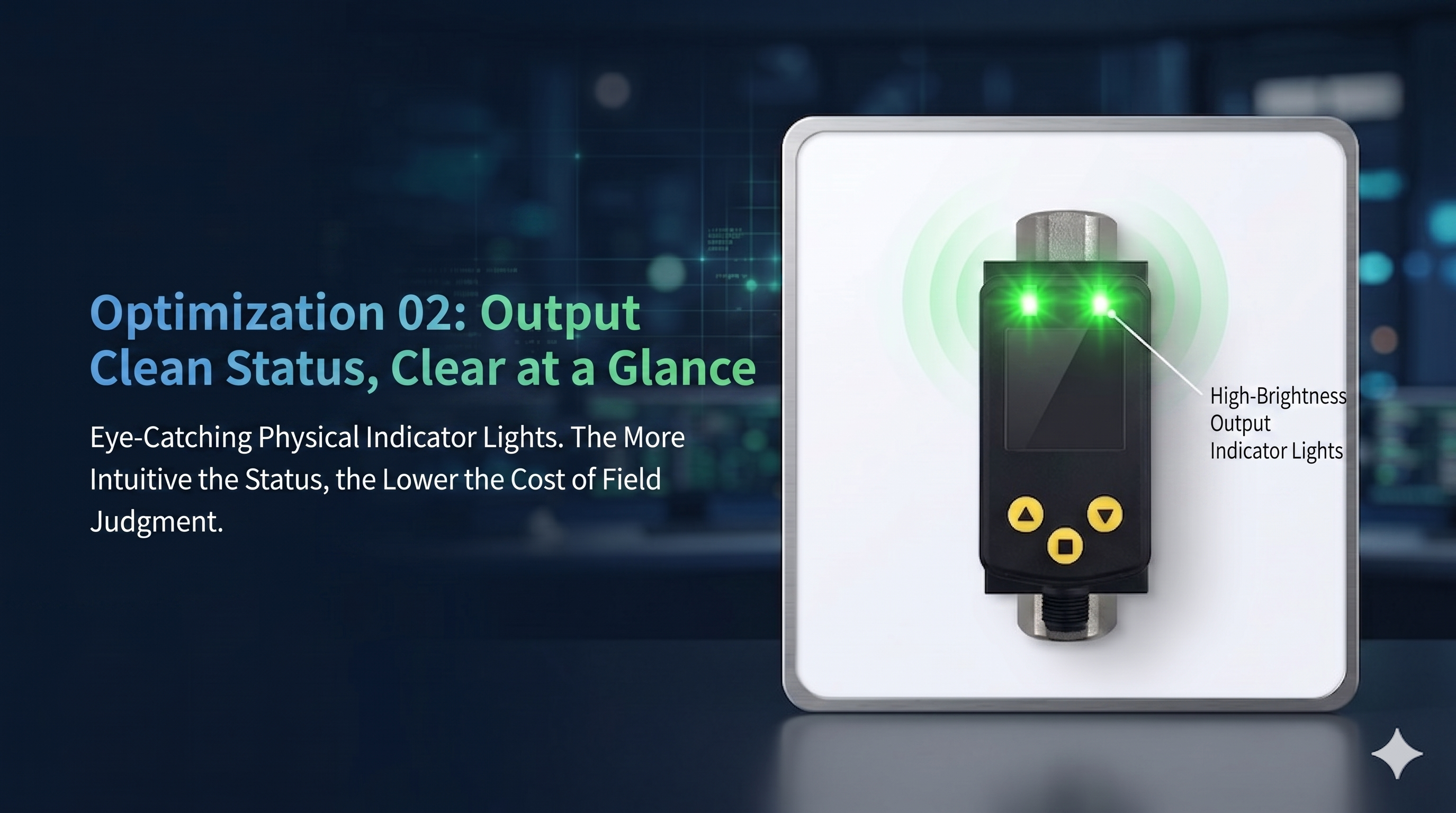
Whether an industrial product communicates its status clearly often determines how efficient on-site judgment can be. Especially during machine operation, engineers need quick confirmation — not repeated close inspection, repeated辨认, or reliance on extra instructions to understand the current condition.
Another frequent piece of feedback was that the original output status indication was not intuitive enough. This does not mean there was any problem with the function itself, but rather that the readability of the status display still had room for improvement in real use. For on-site personnel, a difference as subtle as “this could be a little clearer” often means faster judgment, fewer misreadings, and less repeated confirmation.
Based on this feedback, we optimized the way output status is presented and adopted more eye-catching physical indicator lights. The purpose was not simply to add another visual element, but to make the product’s way of expressing information on site more direct. Whether output is active and whether the status has changed can now be recognized more quickly, allowing users to make an immediate judgment more easily.
The more intuitive the status indication is, the lower the cost of on-site judgment becomes. This kind of improvement may seem restrained, but in practice it is exactly what field applications need most.
The Third Improvement: Making the Product More Compact While Maintaining Structural Requirements
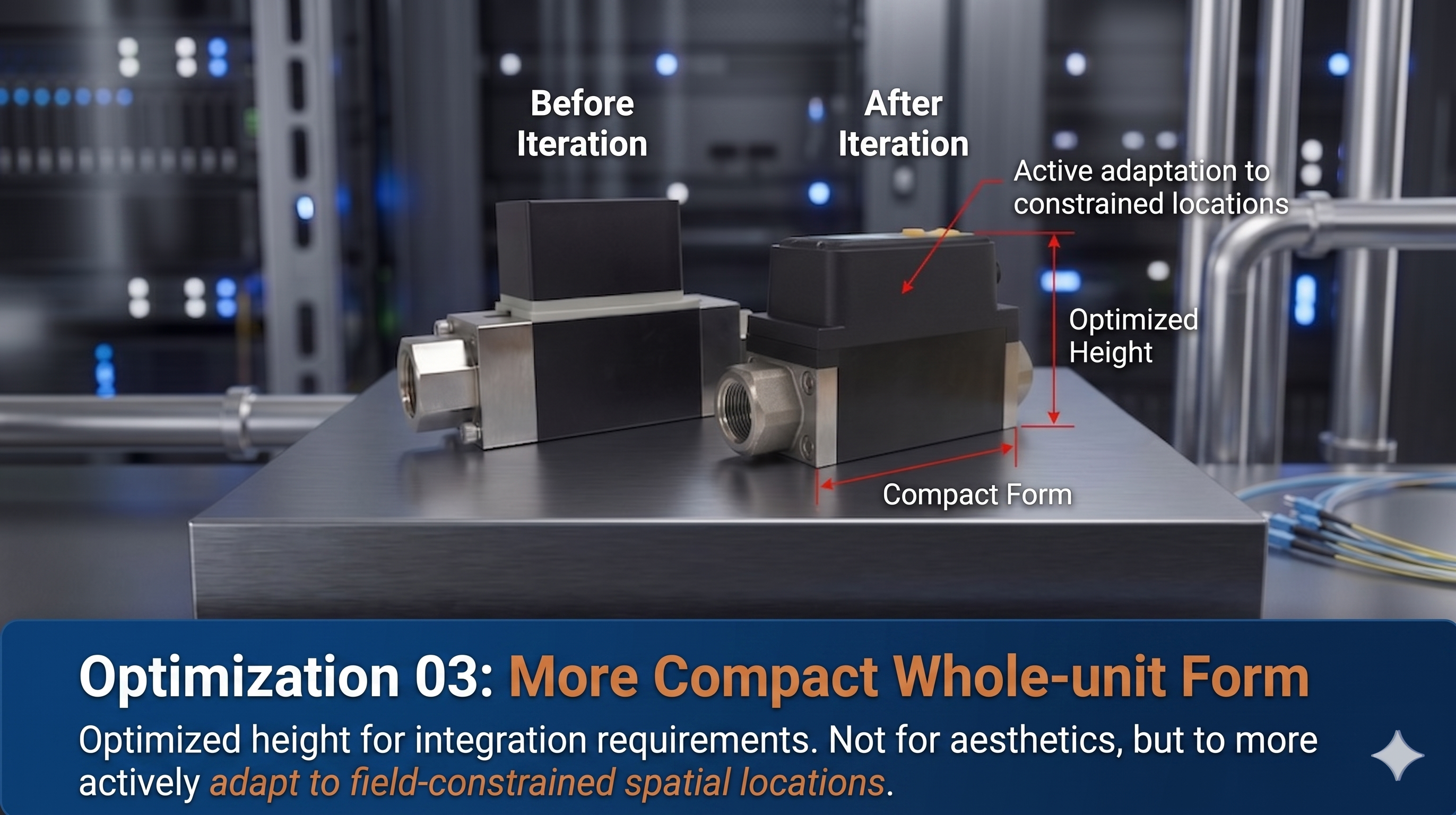
In increasingly integrated equipment design, size is no longer just an appearance issue — it is part of adaptability. Especially in fluid monitoring applications, the product often needs to fit together with pipelines, fittings, mounting brackets, and surrounding components within limited space. Whether the dimensions are well designed directly affects installation convenience, layout flexibility, and the operating clearance available for later maintenance.
In this round of customer feedback, some users clearly expressed the hope that the overall size could be more compact, especially in height. Further optimization in this area would make system integration much easier.
In response, this upgrade optimized the overall height while ensuring normal operation and meeting structural requirements, making the unit more compact in form. This was not done simply to make the product look more refined, but to allow it to fit equipment installations more comfortably and adapt better to workstations where space is limited.
For equipment manufacturers, a more compact product means greater installation flexibility. For end users, it means easier maintenance and replacement later on. This is also how we understand structural optimization: not changing for the sake of change, but helping the product adapt more proactively to real field conditions.
This Upgrade Is Not Just About Appearance — It Is About Optimizing the Entire User Process
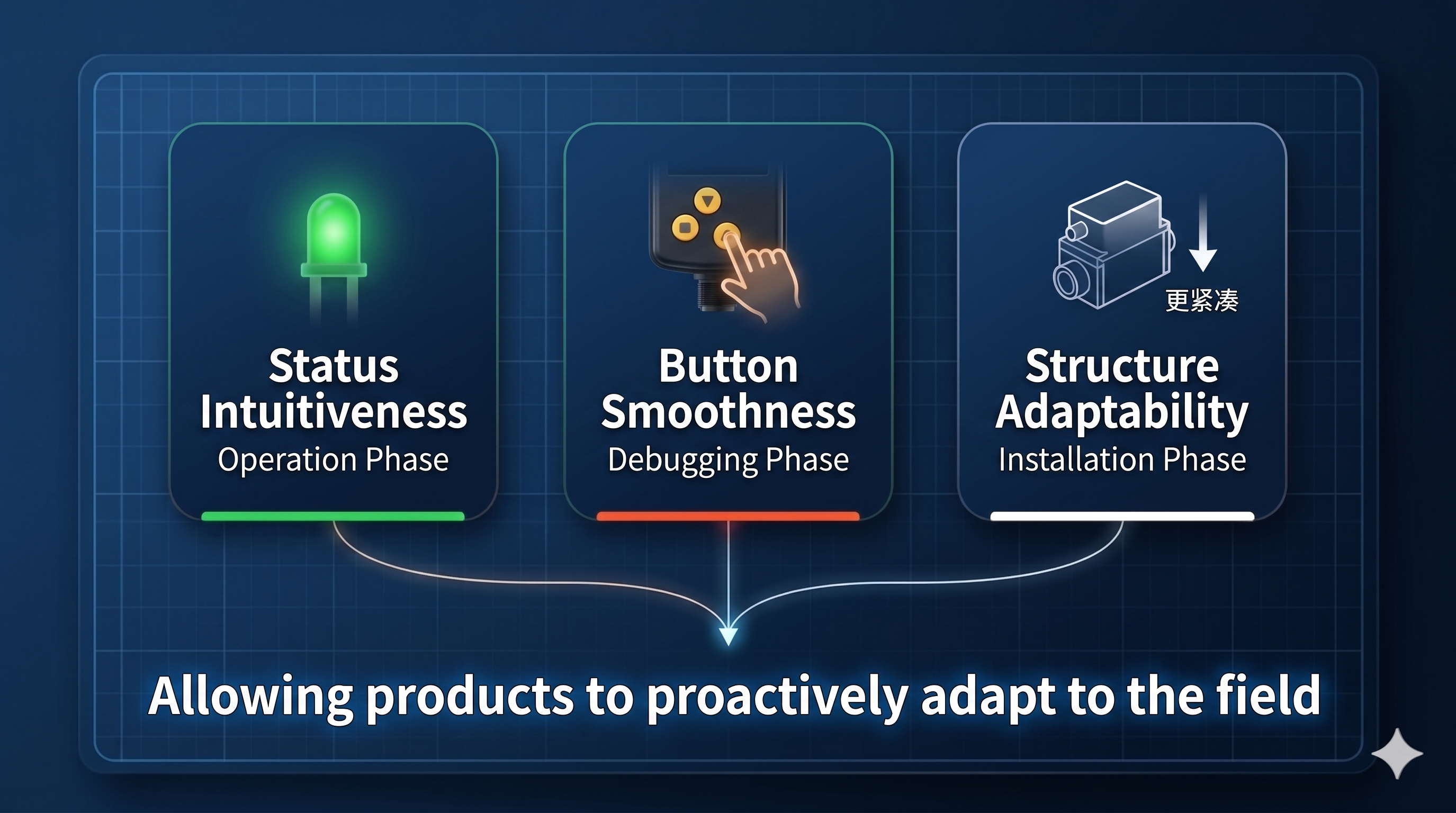
Although these three improvements may appear separate on the surface, they all point in the same direction: systematically optimizing the user experience customers encounter every day.
Button smoothness, status visibility, and structural adaptability correspond to commissioning, operation, and installation respectively, but all serve the same core purpose: enabling the product to adapt more actively to on-site needs.
We have always believed that industrial product upgrades should not stop at parameter changes alone. Truly valuable improvements are the ones customers can clearly feel in everyday use. They may not be the most eye-catching feature upgrades, but they are often the changes that most effectively improve the real experience. Only by continuously refining these details can a product’s reliability and professionalism be truly established over the long term.
Nearly Two Years of Feedback Is Not the End — It Is the Starting Point for the Next Optimization
Since its launch in July 2024, nearly two years of field application have been more than just part of the sales process. They have been a continuous process of entering the site, being tested in practice, and receiving real feedback. We value these voices from front-line customers because truly meaningful product upgrades are rarely defined in meeting rooms — they are shaped little by little through actual use.
This time, we optimized button operation, status indication, and overall structure. Next time, we will continue to improve around the customer’s real usage process. Because for industrial products, upgrades are never a one-time action — they are an ongoing, field-oriented way of working.
If you are also paying attention to the on-equipment user experience of fluid monitoring products, or would like to learn more about the upgrade direction of this vortex flow sensor, please feel free to contact us. For us, every product iteration should ultimately come back to the same goal: helping customers use the product more smoothly, more reliably, and with greater peace of mind on site.
FAQ
Yes, they are fully compatible. Both versions maintain the same threaded interface, electrical interface, and mounting hole positions, so they can be replaced directly without any changes to your equipment design. The main differences are only in button feel, indicator light design, and product height.
We use higher-brightness industrial-grade LED indicators, which remain clearly visible even under direct sunlight. Even if there is slight dirt accumulation on the indicator surface, good readability can still be maintained. If the environment is particularly harsh, such as high-temperature baking areas or extremely dirty conditions, we recommend adding a transparent protective cover during installation.
Not at all. The button functions and menu structure remain unchanged. What has been optimized is only the pressing feel and tactile feedback. All original operating habits and commissioning procedures can continue to be used directly, so customers do not need to relearn the interface.
Customer Support and Service
Tianjin Sentinel Electronics has been deeply engaged in the field of industrial automation for 17 years and has provided more than 170 application cases for industries such as rail transit, automotive manufacturing, and new energy. We offer full-cycle support ranging from sensor selection and system integration to after-sales diagnostics. If you would like to learn more about Sentinel products, please contact our sales team or call us at 022-83726972. You may also visit our website at www.sentinel-china.com.
You are welcome to book an online demonstration or apply for a sample trial, and let our engineers tailor a complete solution for you — from “data entry” to “action execution.”